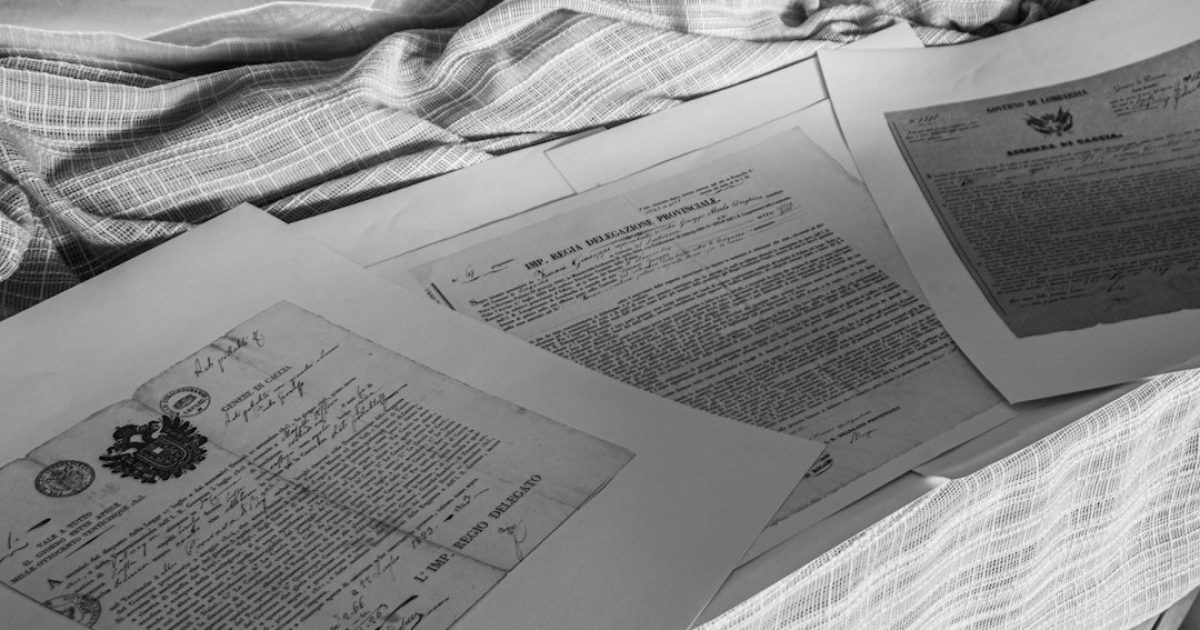
Why Proper Documentation Matters in a Money Recovery Suit
When you decide to recover a debt through the courts, the strength of your case depends largely on the paperwork you present. Judges look for clear, credible evidence that proves the amount owed, the existence of a contract, and the default by the debtor. Missing or poorly organised documents can lead to delays, higher costs, or even dismissal of the suit.
Core Documents Every Plaintiff Should Have
Before you file a money recovery suit, gather the following core documents. These form the backbone of your claim and should be originals or certified copies.
- Loan Agreement or Contract: The signed agreement that specifies the amount, repayment schedule, interest (if any), and any collateral.
- Demand Letters or Notices: Copies of any written demand for payment you sent to the debtor, along with proof of delivery (registered post receipts, email read confirmations, etc.).
- Invoices or Bills: Detailed invoices showing goods supplied or services rendered, dates, quantities, rates, and total amount.
- Payment Records: Bank statements, cheque copies, NEFT/RTGS screenshots, or cash receipts that demonstrate partial payments, if any.
- Correspondence: Emails, WhatsApp chats, or letters that discuss the debt, acknowledge liability, or negotiate repayment.
Supplementary Evidence to Strengthen Your Claim
Beyond the core documents, supplementary evidence can make your case more compelling. While not mandatory, they help establish the debtor’s intent and the credibility of your claim.
- Witness Statements: Affidavits from persons who witnessed the transaction or can confirm the debtor’s acknowledgment of the debt.
- Delivery Proof: Delivery challans, signed receipts, or courier tracking details that prove the goods or services were actually provided.
- Accounting Records: Ledger entries, profit‑and‑loss statements, or tax returns that reflect the outstanding amount.
- Photographs or Screenshots: Images of the product, service completion, or any relevant online transaction screens.
How to Organise Your Documents for Court Filing
Courts require documents to be presented in a specific order. Following the proper sequence saves time and avoids the need for re‑submission.
- Prepare a Document Index: List every document with a brief description and page number. This index is attached to your plaint.
- Number All Pages: Use continuous pagination across all exhibits to make reference easy during the hearing.
- Make Certified Copies: For original agreements and signatures, provide a certified copy as per the court’s rules.
- Attach an Affidavit of Truth: A sworn statement confirming that all submitted documents are authentic and not tampered with.
Understanding Court Fees and Stamp Duty
The amount of court fee you pay depends on the value of the claim and the type of suit. For a money recovery suit, the fee is usually a percentage of the claimed amount, subject to a minimum and maximum limit set by the respective State’s Court Fee Act.
- Calculate the Fee: Use the online fee calculator provided by the High Court of your state or consult the fee schedule available on the court’s website.
- Pay Stamp Duty: Some states require a stamp on the plaint. The rate varies, typically ranging from 0.1% to 0.5% of the claim amount.
- Keep Payment Receipts: Attach the receipt of court fee and stamp duty as annexures to your filing.
Common Mistakes to Avoid
Even with all documents in hand, certain pitfalls can weaken your suit.
- Incomplete Documents: Filing without a signed contract or without proof of demand often leads to the suit being dismissed.
- Illegible Copies: Blurry scans or torn pages may be rejected. Ensure clear, legible copies.
- Wrong Court Jurisdiction: File the suit in the court that has territorial jurisdiction over the debtor’s address or the place where the contract was executed.
- Ignoring Time Limits: Money recovery suits must be filed within three years from the date of default, unless the contract specifies otherwise.
Step‑by‑Step Checklist Before Filing
Use this checklist to verify you have covered everything.
- Confirm the debt amount and calculate interest, if applicable.
- Gather the loan agreement, invoices, and payment records.
- Collect all demand letters, emails, and WhatsApp chats.
- Prepare witness affidavits, if any.
- Make certified copies and number all pages.
- Prepare a document index and attach an affidavit of truth.
- Calculate and pay court fees and stamp duty; retain receipts.
- Verify jurisdiction and ensure the suit is filed within the limitation period.
After Filing: What to Expect
Once the plaint is accepted, the court will issue a summons to the defendant. The defendant may file a written statement, and the court may schedule a pre‑trial conference. During this phase, you may be asked to produce original documents for verification. Having well‑organised files will make this process smoother.
Remember, the clarity and completeness of your documentation often determine how quickly the court can decide on your claim.
This article provides general information and is not legal advice.
Photo by MicheleAroundTheWorld on Unsplash