Understanding Compensation Components
When you file a motor accident claim in India, the compensation amount is not a single figure. It is built from several distinct components that reflect the real losses you have suffered. Knowing what each component covers helps you avoid under‑claiming and ensures you receive a fair settlement.
Medical Expenses
All expenses directly related to treating injuries are recoverable. This includes hospitalisation, surgeries, medicines, physiotherapy, and even follow‑up consultations. Keep every bill, prescription, and receipt – they form the backbone of this part of the claim.
Loss of Income
If the accident forced you to miss work, you can claim the salary you would have earned during that period. For self‑employed individuals, calculate the average monthly earnings based on the past 12 months and apply it to the days you were unable to work.
Vehicle Damage
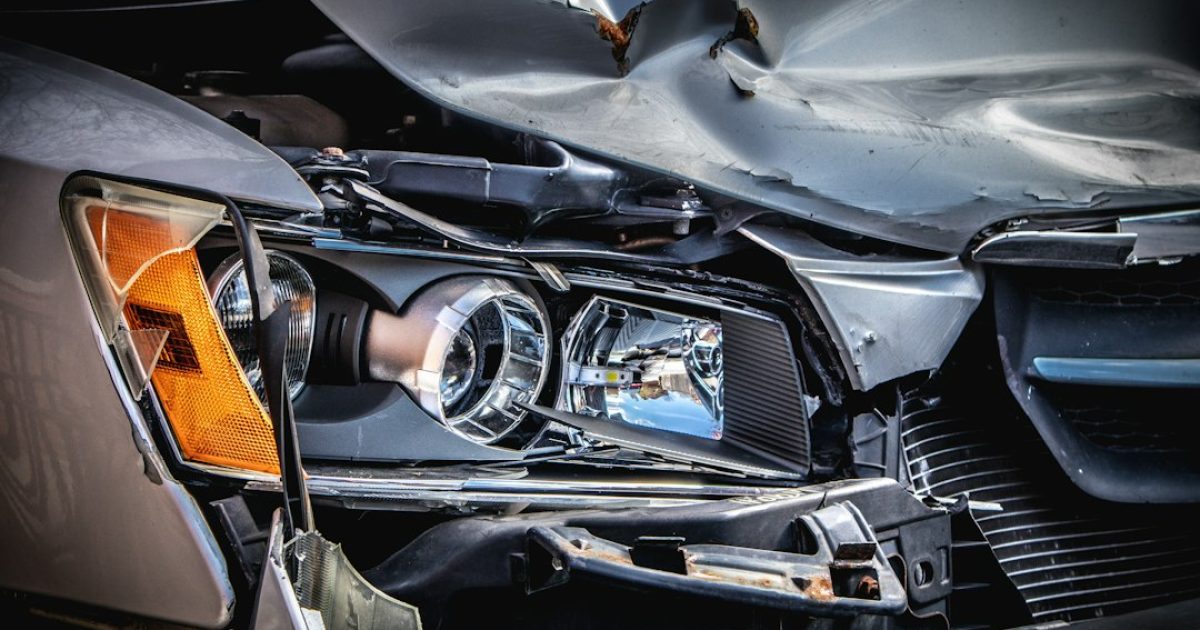
The cost to repair or replace your vehicle is another recoverable loss. Obtain a detailed repair estimate from a reputable garage or a market‑valued quotation for a total loss. Remember to include any towing or storage charges incurred after the accident.
Pain and Suffering
Beyond quantifiable costs, the law recognises physical and emotional trauma. Courts usually award a lump‑sum amount based on the severity of injuries, the duration of pain, and the impact on daily life. While there is no fixed formula, precedents from similar cases provide a useful benchmark.
Legal and Other Expenses
Reasonable costs such as court fees, expert witness fees, and charges for obtaining medical reports can be added to the claim. Ensure each expense is documented and directly linked to the accident.
Step‑by‑Step Method to Calculate Your Claim
Follow this practical checklist to arrive at a realistic compensation figure.
- Step 1: Gather All Documents
- Hospital bills, discharge summaries, and pharmacy receipts
- Salary slips, income tax returns, or profit‑and‑loss statements
- Repair estimates, insurance assessment reports, or market valuation for the vehicle
- Police FIR, accident report, and photographs of the scene
- Step 2: List Current Expenses
- Sum up all medical bills paid to date
- Add vehicle repair or replacement costs
- Include any immediate legal fees
- Step 3: Estimate Future Expenses
- Project ongoing medical treatment – physiotherapy sessions, medication, or follow‑up surgeries
- Calculate anticipated loss of earnings until you can resume work at the pre‑accident level
- Consider any permanent disability that may require assistive devices or home modifications
- Step 4: Apply the Standard Compensation Multipliers
- For medical expenses, the claim can be multiplied by 1.5 to 2 times the actual cost to cover future treatment and inflation
- Loss of income is usually claimed at 100 % of the calculated amount, with an additional 10 % for hardship
- Vehicle damage is claimed at the actual repair cost or market value, whichever is higher
- Step 5: Add Pain and Suffering
- Refer to recent judgments for similar injuries – a moderate injury may attract 2–4 times the total medical cost, while a severe injury could be 5–8 times
- Use a conservative multiplier if you are unsure, and be prepared to justify it with medical reports
- Step 6: Total All Components
- Add the adjusted medical, income, vehicle, and pain‑and‑suffering figures
- Include any documented legal expenses
- Step 7: Review and Fine‑Tune
- Cross‑check the total against the maximum limits set by the Motor Vehicles Act, if applicable
- Ensure no double‑counting of the same expense
Example calculation (illustrative only):
- Medical bills paid: ₹1,20,000 → multiplied by 1.8 = ₹2,16,000
- Loss of earnings for 30 days: ₹45,000 → +10 % = ₹49,500
- Vehicle repair estimate: ₹80,000 (no multiplier)
- Pain and suffering: 3 × medical cost = ₹3,60,000
- Legal fees: ₹15,000
- Total claim = ₹7,00,500
While the numbers will differ for each case, the structure remains the same. Using this systematic approach helps you present a clear, evidence‑based claim that is easier for insurers or courts to evaluate.
Common Mistakes to Avoid
Skipping documentation: Missing receipts or incomplete medical records can lead to a reduced settlement.
Undervaluing future costs: Failing to project long‑term treatment or loss of earnings often results in inadequate compensation.
Over‑relying on a single multiplier: Different components have different legal standards; applying the same factor to all can raise doubts.
Ignoring the statutory limits: Some types of claims have caps under the Motor Vehicles Act; exceeding them may cause the claim to be partially rejected.
Final Thoughts
Calculating compensation for a motor accident claim in India involves a clear understanding of each loss component, diligent documentation, and realistic application of legal multipliers. By following the step‑by‑step method outlined above, you can arrive at a credible figure that reflects the true impact of the accident on your life.
This article provides general information and does not constitute legal advice.
Photo by Clark Van Der Beken on Unsplash