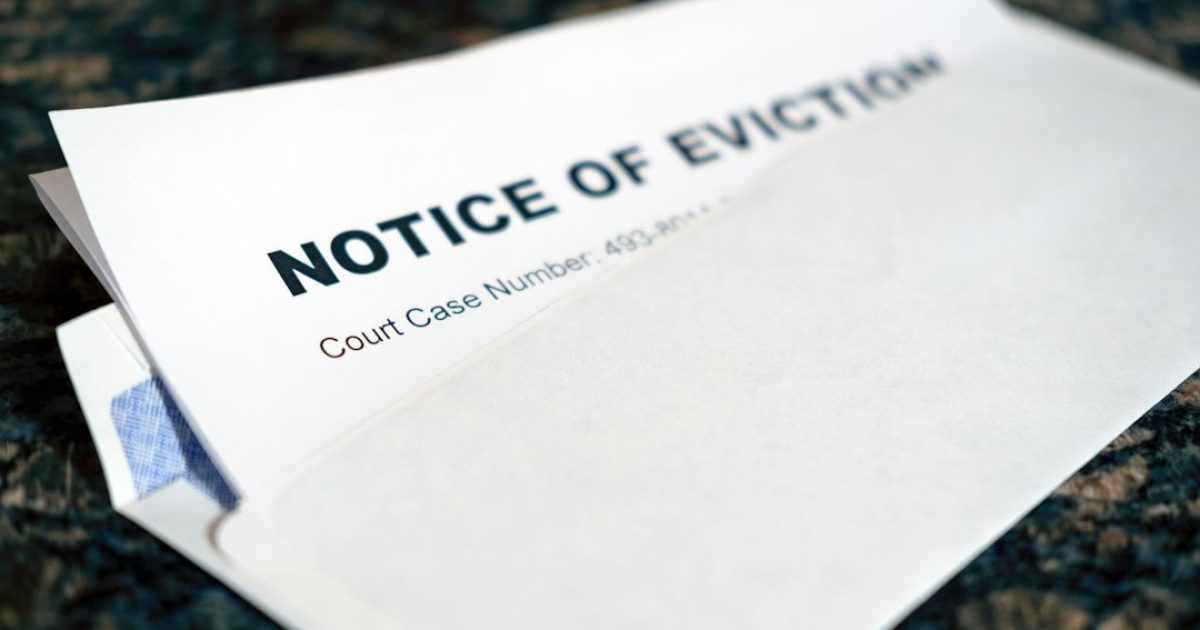
Why a Legal Notice is the First Step in a Land Encroachment Case
When a neighbour builds a fence, a wall or a structure that intrudes onto your property, the most common and cost‑effective way to start resolving the dispute is by sending a legal notice for land encroachment. The notice puts the other party on record, shows that you are serious about protecting your rights, and often prompts a settlement before court proceedings become necessary.
When to Send a Legal Notice
You should consider sending a notice as soon as you discover the encroachment or receive a complaint about it. Typical triggers include:
- Construction of a new building that crosses the boundary line.
- Extension of a garden, driveway or fence onto your land.
- Unauthorized occupation of a portion of your property.
If the encroachment is minor and you can resolve it amicably, a written notice still helps to keep a clear record of your request.
Key Elements that Must Appear in the Notice
A well‑drafted legal notice should contain the following components to be effective and legally valid:
- Details of the parties: Full names, addresses and relationship (e.g., neighbour, co‑owner).
- Description of the property: Exact location, survey numbers, and a brief description of the boundary line.
- Nature of the encroachment: What has been built or occupied, when it started, and how it infringes on your rights.
- Reference to relevant law: Typically Section 6 of the Transfer of Property Act, 1882, or provisions of the Indian Easement Act.
- Specific demand: Removal of the encroaching structure, restoration of the boundary, or compensation.
- Time frame: Usually 15 to 30 days from receipt of the notice to comply.
- Consequences of non‑compliance: Mention that you may file a civil suit for trespass or a suit for declaration of ownership.
- Signature and date: Your signature or that of an authorised representative.
Step‑by‑Step Process to Draft the Notice
1. Gather Property Documents
Collect the title deed, recent survey map, property tax receipts and any prior agreements that define the boundary. These documents will help you describe the land accurately.
2. Verify the Encroachment
Take photographs, note the date of construction and, if possible, obtain a site plan showing the overlap. A clear visual record strengthens your claim.
3. Choose the Right Format
Most legal notices are sent as a formal letter on plain paper, but you may also use a registered post envelope. Ensure the language is clear, concise and free of emotional tone.
4. Draft the Content
Use the key elements listed above. Below is a short template you can adapt:
- “Dear [Neighbour’s Name],
I am the registered owner of Plot No. ___, situated at ___ (survey number). It has come to my notice that a structure measuring ___ has been erected on my property from ___ date onward, thereby encroaching upon my rightful land. Under Section 6 of the Transfer of Property Act, I request you to remove the encroaching structure within 30 days of receipt of this notice. Failure to comply will leave me no option but to initiate appropriate legal proceedings.”
5. Review and Proofread
Check for correct spellings of names, accurate property details and proper dates. Any mistake can be used to challenge the notice later.
6. Get the Notice Stamped (Optional)
While not mandatory, having the notice notarised adds an extra layer of authenticity, especially if the matter proceeds to court.
How to Serve the Notice Properly
Delivery method matters because the court will look at whether the other party actually received the notice.
- Registered post with acknowledgment due (A.D.): This provides a postal receipt showing the date of delivery.
- Hand delivery with an independent witness: The witness signs an affidavit stating they handed the notice over.
- Courier service with tracking: Use a reputable courier that offers a delivery receipt.
Retain the receipt, tracking number and any signed acknowledgment as evidence.
Typical Costs Involved
Sending a legal notice is relatively inexpensive compared to filing a suit. Approximate expenses are:
- Printing and stationery: ₹200‑₹500
- Postage (registered mail) or courier: ₹150‑₹400
- Notary fee (if you choose to notarise): ₹300‑₹800
- Professional drafting fee (optional, if you hire a lawyer for drafting): ₹1,000‑₹3,000
Overall, most landowners can issue a notice for under ₹5,000.
What Happens After the Notice is Served?
If the neighbour complies within the stipulated time, the dispute ends and you can restore the original boundary. If they ignore or contest the notice, you have a documented record that can be attached to a civil suit for trespass, removal of the encroachment or a declaration of ownership. The court generally looks favorably on parties who have attempted an out‑of‑court resolution first.
Common Mistakes to Avoid
- Leaving out the exact survey number or plot details – the notice may be considered vague.
- Using aggressive or threatening language – it can backfire and affect the court’s view of your conduct.
- Not keeping a copy of the notice and delivery proof – you’ll lack evidence if the case goes to court.
- Setting an unreasonable deadline – a 15‑30 day window is standard and seen as reasonable.
Quick Checklist Before Sending the Notice
- Title deed and latest survey map ready.
- Clear photographs of the encroachment.
- Drafted notice includes all key elements.
- Chosen delivery method with proof of receipt.
- Copies of the notice and delivery proof stored safely.
Following this checklist helps you move from discovery of the encroachment to a legally sound demand without unnecessary delays.
Disclaimer: This article provides general information and is not a substitute for professional legal advice.
Photo by Allan Vega on Unsplash