Why a Complete Document Set Matters
When you file a motor accident claim, the insurance company or the court will examine every piece of evidence you provide. A well‑organized set of documents not only speeds up the settlement but also reduces the chance of disputes over the amount you are entitled to receive.
Core Documents Required for Any Motor Accident Claim
The following items form the backbone of a typical claim. Even if you think some of them may not apply to your case, it is safer to include them.
- Police FIR or Accident Report – The First Information Report filed at the police station establishes the date, time, location, and parties involved.
- Medical Records – Hospital discharge summary, doctor’s prescription, investigation reports (X‑ray, CT scan, MRI), and any subsequent physiotherapy or rehabilitation notes.
- Vehicle Repair Estimates – A detailed quotation from a registered garage or workshop, preferably with a breakdown of parts and labour.
- Original Registration Certificate (RC) of the Vehicle – Proves ownership and helps assess depreciation.
- Insurance Policy Copy – Shows the sum insured, deductible, and coverage details.
Additional Documents That Strengthen Your Claim
Depending on the specifics of the accident, you may need to attach supplementary evidence.
Witness Statements
If any by‑standers saw the crash, ask them to write a brief statement with their name, contact details, and what they observed. A notarised statement adds credibility.
Photographic Evidence
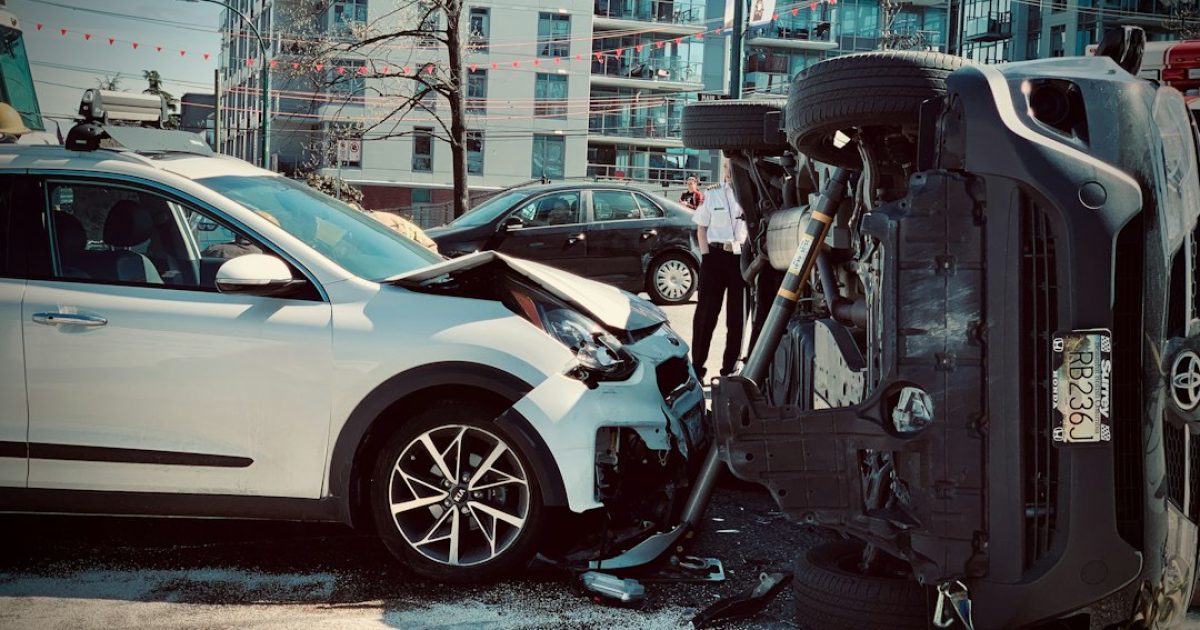
Clear photos of the accident scene, vehicle damages, road conditions, and any visible injuries help the insurer visualize the loss.
Salary Slips and Income Proof
For claims involving loss of earnings, provide the last three months’ salary slips, Form 16, or a profit‑and‑loss statement for self‑employed individuals.
Expense Receipts
Collect all receipts related to medical treatment, medicines, travel for hospital visits, and any out‑of‑pocket expenses incurred after the accident.
How to Organise and Submit Your Documents
Presenting the documents in a logical order saves time for the adjuster and reduces back‑and‑forth requests.
- Chronological Order – Start with the police report, followed by medical records, then vehicle repair bills, and finally financial documents.
- Label Each Page – Use a simple header like “Page 1 of 12 – Police FIR” to avoid confusion.
- Make Certified Copies – Keep the originals safe and submit notarised copies where required.
- Use a Single Binder or Folder – A neat presentation reflects seriousness and helps the reviewer locate documents quickly.
Common Mistakes to Avoid
Even a well‑prepared claim can be delayed if you overlook small details.
- Missing Dates – Ensure every document bears a clear date; undated medical reports are often rejected.
- Incomplete Police Report – If the FIR lacks details like vehicle numbers or driver names, request a supplementary entry from the police.
- Unverified Estimates – Use a reputable garage; informal quotes may be challenged as inflated.
- Late Submission – Most motor accident claims have a limitation period of three years. Submit all documents well before the deadline.
Cost Considerations for Document Preparation
Gathering the required paperwork does involve some expense, but the cost is usually a fraction of the claim amount.
- Police Report Fee – Typically nominal (₹50‑₹100) unless a duplicate is needed.
- Medical Document Retrieval – Hospitals may charge a small fee for copies (₹200‑₹500 per report).
- Notarisation – A notary public usually charges ₹50‑₹150 per document.
- Professional Valuation – If you need an independent vehicle valuation, expect charges between ₹2,000‑₹5,000.
These outlays are recoverable as part of the settlement, provided you retain the receipts.
Final Checklist Before Filing
- Police FIR with accurate details
- All medical certificates and test reports
- Vehicle repair estimate from a registered workshop
- Copy of insurance policy and RC book
- Witness statements and photographs
- Salary slips or income proof for loss of earnings
- All expense receipts and notarised copies where required
Review the list, ensure nothing is missing, and keep a digital backup of each file.
Disclaimer: This article provides general information and does not constitute legal advice.
Photo by Anthony Maw on Unsplash