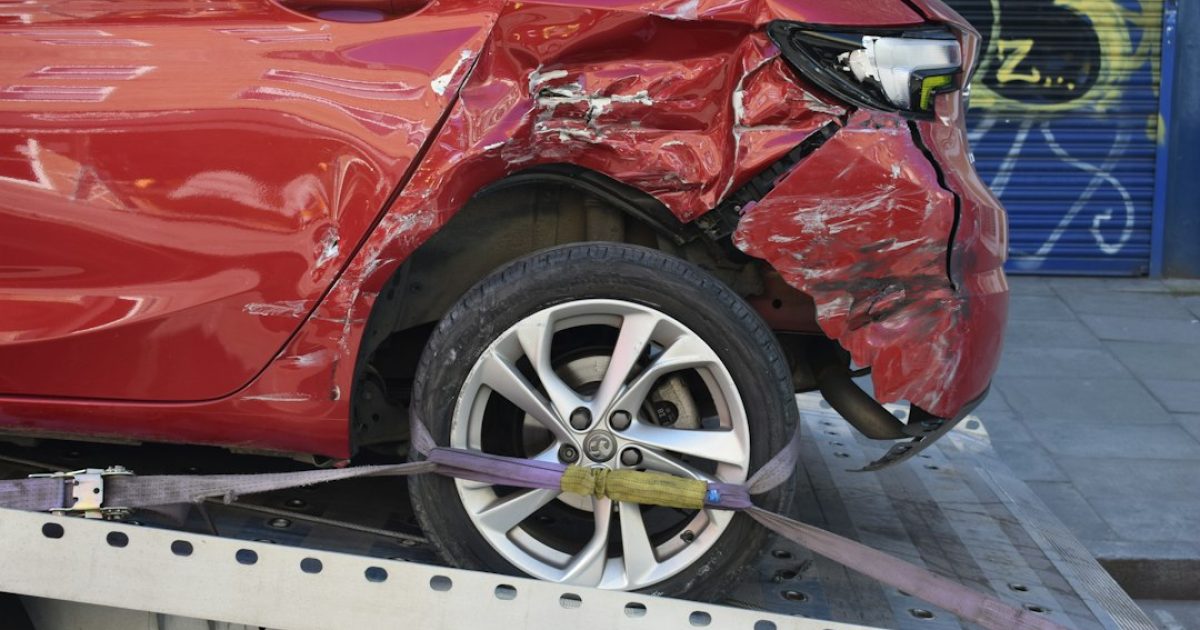
Understanding Motor Accident Claims
A motor accident claim is a legal request for compensation when you or a loved one suffers injury, loss of property or death due to a road accident. In India, the claim can be pursued under the Motor Vehicles Act, 1988, or through civil courts for additional damages. Knowing the claim process helps you avoid unnecessary delays and increases the chance of receiving a fair settlement.
Step 1: Secure the Accident Site & Collect Evidence
Immediately after the accident, prioritize safety and medical attention. Then, follow these evidence‑gathering steps:
- Call the police: A First Information Report (FIR) is essential for any claim. Ensure the police note the date, time, location and parties involved.
- Take photographs: Capture vehicle damage, road conditions, traffic signs and any visible injuries.
- Exchange details: Record the name, address, phone number, registration number and insurance details of the other driver.
- Collect witness information: Get names and contact numbers of any by‑standers who saw the accident.
All this information forms the backbone of your claim and will be requested by insurers or courts.
Step 2: Seek Immediate Medical Attention
Even if injuries seem minor, get examined by a qualified doctor. A medical report serves two purposes:
- It documents the nature and extent of injuries.
- It provides a basis for calculating future medical expenses and loss of earnings.
Ask the doctor for a detailed prescription, treatment plan and an estimate of recovery time. Keep all bills, receipts and discharge summaries.
Step 3: Notify Your Insurance Company
Under the Motor Vehicles Act, the insurer must be informed within 24 hours of the accident. Provide them with the FIR copy, photographs and a brief description of the incident. Delayed notification can lead to claim rejection.
Step 4: Gather Required Documents
Prepare a complete file before filing the claim. Typical documents include:
- Copy of FIR
- Police report (if separate from FIR)
- Original registration certificate (RC) of your vehicle
- Insurance policy copy
- Medical reports, prescriptions and hospital bills
- Repair estimates or invoices from authorized workshops
- Salary slips or proof of income (for loss of earnings claim)
- Witness statements (if any)
Organising these papers saves time when the insurer or the court requests them.
Step 5: File a Claim with the Insurance Company
Submit the compiled documents to the insurer’s claim department. The insurer will assign a surveyor to assess vehicle damage and verify the accident details. Cooperate fully and provide any additional information promptly.
If the insurer offers a settlement, review it carefully. Compare the amount with your calculated loss (medical expenses, vehicle repair, lost wages, pain and suffering). If the offer seems low, you can negotiate or move to the next step.
Step 6: Initiate a Legal Claim (If Settlement Fails)
When the insurer rejects the claim or proposes an inadequate amount, you may file a civil suit under the Motor Vehicles Act. Follow these sub‑steps:
6.1 Draft a Legal Notice
A legal notice, sent by a qualified advocate, formally demands compensation and gives the insurer a final chance to settle. The notice should list:
- Details of the accident
- All supporting documents
- Specific compensation amount
- Time frame for response (usually 15‑30 days)
6.2 Prepare the Court Petition
If the notice is ignored, the advocate files a petition in the appropriate Motor Accident Claims Tribunal (MACT) or civil court. The petition includes:
- Claimant’s personal details
- Defendant’s details (usually the insurer or the at‑fault driver)
- Facts of the accident
- Quantum of claim (medical, property, loss of income, etc.)
- Annexures of all evidence
6.3 Attend Hearings & Present Evidence
The tribunal will schedule hearings. Be ready to:
- Present original documents and certified copies
- Call witnesses, including doctors and mechanics
- Answer cross‑examination by the defendant’s lawyer
The judge may order an independent medical examination or a vehicle inspection before delivering a verdict.
Step 7: Understand Costs & Timelines
Typical expenses in a motor accident claim include:
- Legal notice fee: ₹2,000‑₹5,000
- Advocate’s court fees: 1‑2% of the claim amount, plus GST
- Court filing fee: varies by state, usually ₹500‑₹2,000
- Expert witness fees (doctor, engineer): ₹5,000‑₹20,000 per expert
Timeframes differ:
- Insurance settlement: 30‑60 days after document submission
- MACT decision: 6‑12 months from filing, depending on caseload
Being aware of costs helps you budget for the claim process.
Step 8: Collect the Compensation
Once the tribunal issues an award, the defendant (or insurer) must pay within the stipulated period, usually 30 days. If payment is delayed, you can file a execution petition to enforce the order.
Remember to keep the compensation money separate for medical bills, vehicle repairs and future expenses.
Disclaimer: This article provides general information and is not legal advice.
Photo by Usman Malik on Unsplash