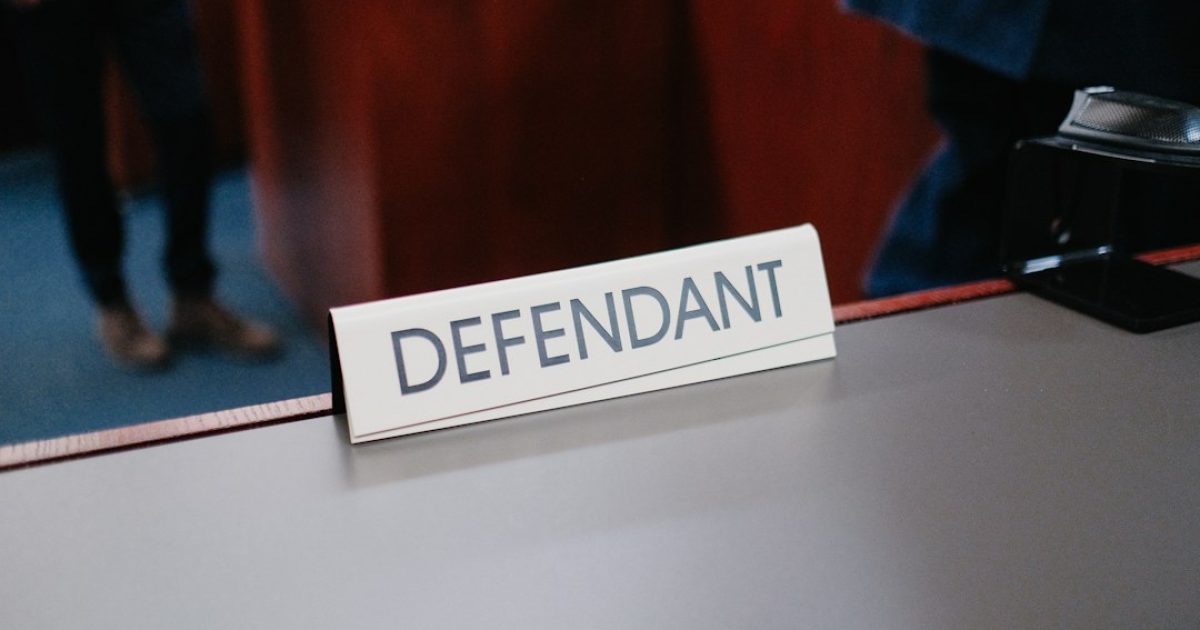
Understanding Arrest in India
Being taken into custody can be shocking, especially if you are not familiar with the legal process. In India, an arrest can be made by police officers, a magistrate, or any authorized person under specific circumstances defined by the Criminal Procedure Code (CrPC).
Your Immediate Rights After Arrest
Under the Indian Constitution and the CrPC, every person arrested is entitled to certain fundamental rights. Knowing these rights helps you protect yourself and avoid unnecessary complications.
- Right to be informed of the grounds of arrest – Police must tell you why you are being detained.
- Right to remain silent – You are not obligated to answer questions that may incriminate you.
- Right to be produced before a magistrate within 24 hours – The magistrate will decide if you can be kept in custody.
- Right to legal counsel – You may request a lawyer and have them present during questioning.
Step‑by‑Step: What to Do First
1. Stay Calm and Compliant
Resisting arrest can lead to additional charges. Keep your hands visible, follow instructions, and avoid any aggressive behavior.
2. Ask for the Arrest Reason
Politely request the police officer to state the specific law or section under which you are being arrested. This information is crucial for your lawyer.
3. Request a Medical Examination
If you feel unwell or have been injured, ask for a medical check‑up. The examination report can be valuable evidence later.
4. Insist on Seeing a Lawyer
Immediately say, “I want to speak to a lawyer.” The police must allow you to meet your counsel before any interrogation.
5. Note the Details
Memorize or write down the names and badge numbers of the officers, the police station address, and the time of arrest. These details are useful for any complaint about misconduct.
How to Apply for Bail
Bail is the most common way to secure temporary release while your case proceeds. The process varies depending on the severity of the offense.
1. Identify the Type of Bail
- Regular bail – Granted by a court after filing a bail application.
- Anticipatory bail – Filed before arrest if you anticipate being detained.
2. Prepare a Bail Application
Gather the following documents: a copy of the FIR, your identity proof, address proof, and any supporting letters (e.g., from employer or family). A lawyer will draft the petition.
3. Appear Before the Court
During the hearing, the judge will consider factors such as the nature of the crime, your criminal record, and the likelihood of you fleeing. Offer a surety or personal bond if required.
4. Follow Court Conditions
Once bail is granted, you must comply with all conditions—regular court appearances, surrendering your passport, or staying within a specified area.
Documents You’ll Need During the Process
- First Information Report (FIR) – The official police document stating the complaint.
- Identity proof – Aadhaar card, PAN card, or passport.
- Address proof – Utility bill, rental agreement, or voter ID.
- Medical report – If you were injured or ill at the time of arrest.
- Passport size photographs – Required for bail bonds or court filings.
Legal Representation After an Arrest
While you have the right to a lawyer from the moment of arrest, it is especially critical to engage legal counsel if:
- You are charged with a non‑bailable offense (e.g., murder, rape, drug trafficking).
- The police request a statement without your lawyer present.
- You need to apply for bail or anticipatory bail.
- There are complications like police misconduct or missing evidence.
Practical Tips to Keep in Mind
- Never sign any document without reading it fully or consulting a lawyer.
- Maintain a record of all communications with police and courts.
- Inform a trusted family member about your arrest and share the case details.
- Do not discuss the case on social media as statements can be used against you.
Conclusion
Facing arrest in India can feel overwhelming, but knowing your rights and the correct steps can protect you from further legal trouble. Act calmly, request legal counsel, gather necessary documents, and follow the bail procedure if needed.
This article provides general information and is not a substitute for professional legal advice.
Photo by Wesley Tingey on Unsplash